








Traffic and vehicular accidents are the most common reasons why emergency calls are placed to the country’s national hotline, 911.
Requests for police assistance or reports about crimes and violent incidents make up the next most numerous calls.
Medical emergencies come next, followed by fire incidents.
Of these, medical emergencies are the highest priority for emergency response since they involve immediate action. Unlike other crises, cardiac arrest, severe bleeding, falls, or a stroke present irreversible threats to life. Critical intervention within minutes can prevent permanent brain damage or even death.
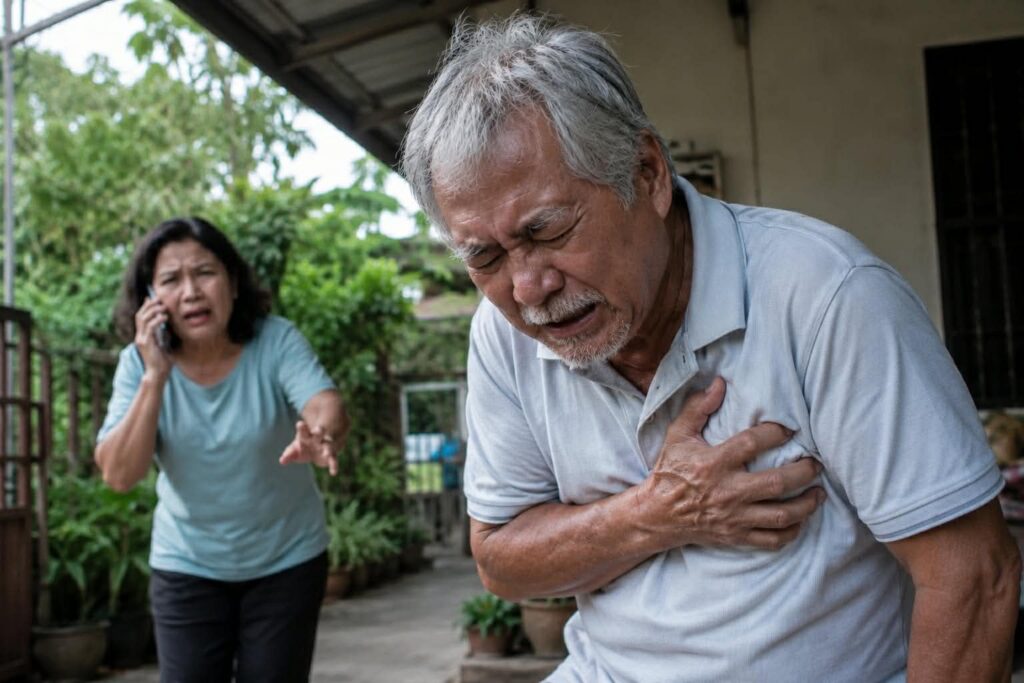
For senior citizens, especially those who live alone or have no companion during a life-threatening situation, knowing how to contact 911 can be a life saver. Seniors and their caretakers should be made aware that emergency services can be contacted with just three familiar numbers and medical, police, fire and disaster response teams across the Philippines will respond in just a matter of minutes.
If one experiences chest pains, difficulty in breathing, such as in an extreme asthma attack; uncontrolled bleeding, poisoning, drug overdose, complex seizures or stroke symptoms like numb extremities, dizziness or slurred speech, 911 should be called immediately.
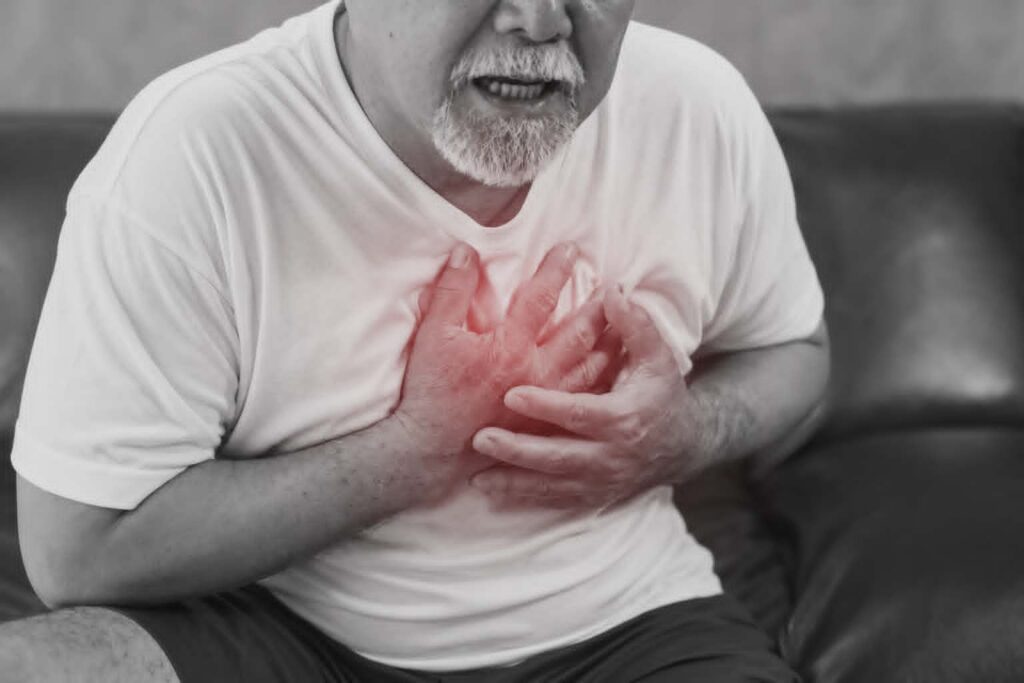
The Unified 911 Emergency Hotline is a free, 24/7 service that connects citizens directly to local responders anywhere they are in the Philippines.
There have already been cases of the system responding to medical emergencies and creating positive results. A 70-year-old woman in Bataan with a head concussion was promptly rushed to the nearest hospital following a 911 hotline call and was assisted by responders from the Abucay Rescue team.
In Sultan Kudarat, the 911 hotline provided rapid response to a call about a vehicular accident involving a mixer truck that hit a residential area. Responders rushed to the scene to bring two victims to the hospital.
Unified 911 helps ensure faster communication and response, leading to more lives saved and communities served.
However, citizens must also be reminded that not all health concerns are medical emergencies. The national 911 hotline should not be used to seek help regarding minor illnesses, common colds, low grade fevers, flu, routine prescription refills or minor cuts and sprains.
While waiting for help to arrive, affected parties may unlock the front door or notify a trusted neighbor to let first responders in, take prescribed medication, if directed to do so, sit down, loosen tight clothing and try to keep calm until help arrives. Even if the patient knows how to drive, he or she shouldn’t drive to the hospital.
“The important thing is to keep calm. The world-class unified 911 system now providing quicker emergency response, will find the exact location of the emergency call due to its state-of-the-art geolocation capabilities. Features that allow callers to send voice, text, video or live streaming content to the command center takes responders’ situational awareness to the next level,” assures Robert Llaguno, country head of NGA 911 Philippines.
Powered by NGA’s next generation advanced technology and complemented by PLDT’s communication infrastructure, unified 911 takes the country’s ability to respond to emergencies to unprecedented heights.
Urgent response to health and medical emergencies will continue to upgrade unified 911’s capabilities to better serve the Filipino people, Llaguno said.